Why Is Preventive Dentistry Important? Advice From A Dental Clinic In Townsville
Preventive dentistry helps protect your teeth and gums by identifying oral health problems before they become more serious. Regular check-ups, professional cleans and good daily habits can reduce the risk of tooth decay and gum disease.
At Aspire Dental, a family dental clinic in Townsville located in Rasmussen, we help patients maintain their oral health through routine examinations, personalised advice and preventive treatments.
What Is Preventive Dentistry?
Preventive dentistry focuses on maintaining healthy teeth and gums rather than waiting for dental problems to develop. It combines regular professional care with good oral hygiene habits at home.
Even healthy-looking teeth can develop decay or gum disease without noticeable symptoms. Routine appointments allow your dentist to identify changes early and recommend appropriate treatment.
Common preventive dental services include:
- Dental examinations & professional cleans
- Digital X-rays when clinically necessary
- Fluoride treatments to strengthen enamel
- Dental sealants to protect vulnerable teeth
- Custom sports mouthguards
- Personalised oral hygiene advice
Your dentist will recommend preventive care based on your age, dental history and individual needs.
The Benefits of Preventive Dental Care
Preventive dentistry supports long-term oral health by helping identify problems early, manage gum health and potentially reduce the need for complex dental treatment.
How Does Preventive Dentistry Detect Problems Early?
Regular examinations help dentists identify early signs of decay, gum inflammation, enamel wear and other concerns. For example, a small cavity may only require a filling. Left untreated, the decay could progress and eventually require root canal treatment or extraction.
Early detection provides more opportunities to manage dental problems before they worsen.
Can Preventive Care Reduce Dental Costs?
Regular check-ups may help you avoid some extensive and potentially expensive treatments by identifying problems earlier. Although preventive care cannot guarantee lower dental expenses, it allows you to discuss treatment options before conditions become more complicated.
Why is Gum Health Important?
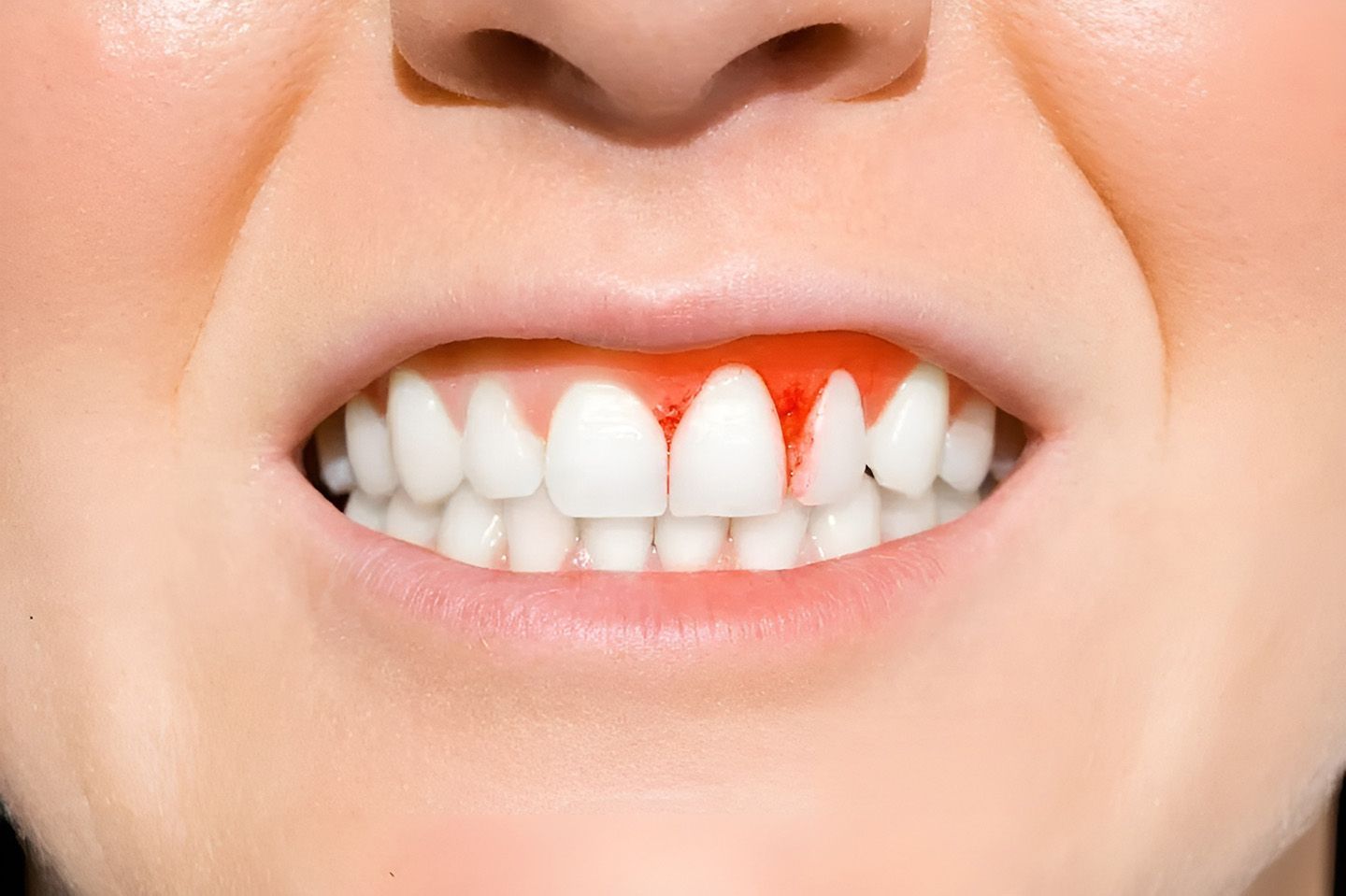
Healthy gums support your teeth and protect the underlying structures. Plaque buildup can cause gingivitis, which may lead to redness, swelling and bleeding.
Research has identified associations between gum disease and conditions such as heart disease and diabetes. However, these associations do not prove that gum disease directly causes these conditions.
What Happens at a Check-Up at Our Dental Clinic in Townsville?
A check-up at Aspire Dental allows your dentist to examine your oral health, identify concerns and recommend appropriate preventive care.
Your appointment may include:
- Dental examination: Your dentist checks your teeth, gums and oral tissues for decay, inflammation or damage.
- Intraoral camera: A small camera lets you see what your dentist sees, helping explain any areas of concern.
- Digital X-rays: When necessary, X-rays help detect problems that aren't visible during a standard examination.
- Scale & clean: Professional cleaning removes plaque and hardened tartar that regular brushing cannot remove.
- Personalised advice: Your dental team discusses brushing, flossing, diet and any recommended preventive treatments.
Regular
dental check-ups and cleans help your dentist monitor changes and address developing problems.
How Often Should You Visit the Dentist?
For many patients, a dental check-up every six months provides a useful routine for monitoring oral health. However, the appropriate interval depends on your individual circumstances.
Your dentist may recommend more frequent appointments if you have existing gum disease, a higher risk of tooth decay or another condition requiring monitoring. Don't wait until your next scheduled visit if you experience persistent bleeding gums, tooth sensitivity, swelling or discomfort.
Preventive appointments can help identify developing problems, although they cannot eliminate the possibility of needing emergency dental care.
Preventive Care at Home: Daily Habits That Protect Your Teeth
Good oral hygiene between appointments is essential for controlling plaque and protecting your teeth.
Follow these practical habits:
- Brush twice daily: Use a soft-bristled toothbrush and fluoride toothpaste. Brush gently for approximately two minutes, cleaning every tooth surface.
- Clean between your teeth: Use dental floss or appropriately sized interdental brushes daily to remove plaque from areas your toothbrush cannot reach.
- Limit sugary snacks & drinks: Frequent sugar consumption encourages acid production by oral bacteria, increasing the risk of tooth decay.
- Drink water regularly: Water helps rinse away food particles, while fluoridated tap water provides additional protection against decay.
- Wear a sports mouthguard: A custom-fitted mouthguard can help protect your teeth during contact sports.
- Be mindful of acidic foods: After consuming acidic drinks or foods, rinse with water and allow time before brushing.
If your gums bleed during brushing or flossing, don't automatically assume you're brushing too hard. Bleeding may indicate gum inflammation that requires attention.
Read our guide explaining why your gums bleed when you brush and when to seek professional advice.
Preventive Dentistry for Children & Teens
Preventive dental care helps children develop healthy habits while their baby teeth and permanent teeth emerge.
Regular appointments allow dentists to monitor dental development, identify early decay and provide age-appropriate oral hygiene advice.
Parents should supervise brushing, encourage fluoride toothpaste use appropriate to their child's age and establish regular dental visits. Understanding when your child should first see a dentist can help establish these habits early.
Which Preventive Treatments Help Children?
Dentists may recommend fluoride treatments or dental sealants depending on a child's risk of decay. Sealants create a protective barrier over the grooves of suitable back teeth.
Teenagers participating in contact sports may also benefit from custom sports mouthguards.
Does Aspire Dental Bulk Bill Children's Appointments?
Aspire Dental bulk bills eligible children and teenagers under the Australian Government's Child Dental Benefits Schedule (CDBS). The program provides eligible children aged 0–17 access to benefits for approved dental services, including examinations, cleaning, X-rays, fissure sealing and fillings.
Eligibility requirements, benefit limits and program conditions apply. Parents should confirm their child's eligibility and available benefits before booking.
Using Your Health Fund for Preventive Dental Care
Many private health insurance extras policies provide benefits for preventive dental services, including examinations and professional cleaning. Your rebate depends on your insurer, level of cover, annual limits and applicable waiting periods.
Aspire Dental accepts all health funds and is a preferred provider for nib, HCF, CBHS, Smile and Defence Health. On-the-spot claiming is available for participating health funds.
The clinic also bulk bills eligible DVA patients and patients covered under the HCF More for Teeth program, subject to relevant conditions.
Before booking, review your policy and explore the health funds we work with.
Regular dental visits, effective brushing and interdental cleaning can help you maintain healthy teeth and gums throughout life. If you're looking for a dental clinic Townsville families can visit for preventive care, contact Aspire Dental at Shop 8/1225 Riverway Dr, Rasmussen. We welcome patients from Kirwan, Kelso and Condon, with late Thursday appointments available until 8 pm.
Contact our team to book your next check-up and clean.
Frequently Asked Questions